










 Amit Kumar
.
July 05, 2026
.
Drag Racer
Amit Kumar
.
July 05, 2026
.
Drag Racer

Text by Dave Wallace
NOBODY SAW THEM COMING. Take it from a geezer who witnessed the entire unlikely evolution of “funny-looking stockers” into drag racing’s most popular performers. even after Dodge Chargers, Jack Chrisman’s Comet and Arnie Beswick’s gTo smashed track and attendance records throughout 1964, they got no respect. These were cars with no class, literally and figuratively; so-called exhibition freaks, ugly altereds, circus acts, a passing fad attracting fans too young and dumb to appreciate real race cars.


NHRA tried extermination by classification, matching them with gas and fuel dragsters weighing half as much and pushing twice as much air. That organization’s ongoing 50th anniversary celebration reminds us that although a dedicated category was tested at the last national event of 1966— then twice more in 1967—it vanished altogether from the 1968 schedule before Funny Car Eliminator was established a year later. Meanwhile, AHRA, NASCAR and independent promoters served the forbidden fruit to packed houses of baby boomers three nights a week and Sunday afternoons.


Considering the mechanical trends emerging across drag racing prior to 1964, their subsequent convergence seems practically predictable in retrospect. Supercharged coupes and sedans were roaring across dry lakes before the sport was. Since the main straight-line action moved to pavement, blown gassers of ’30s and ’40s vintage were indisputably the fastest, loudest and favorite doorslammers. Nearly a decade before NHRA conceived an exhibition-only Super/Factory Experimental (S/FX) category for the Dodge Chargers, John Bandimere entered a new ’55 Chevy boosted by a top-mounted blower into the inaugural nationals. Bonneville Speed Weeks since 1961 saw GMC-blown, Hilborn-injected wedge and Hemi power plants propel Norm Thatcher’s new Dodges and Chryslers to multiple land-speed records. Not until Detroit promoter Don Beebe sold Chrysler Corporation on the three-car Dodge Chargers program, however, did anyone inject dragster technology into stock-appearing “factory lightweights,” bolt on parachutes, and book a national tour for two professional drivers and a full-time crew.
Just three months after that, Jack Chrisman tipped the can to a blown ’64 Comet and added fuel to the fire, literally.


Like blowers and nitro, individual fiberglass panels and welded-together, removable steel bodies had been around nearly as long as hot rods. Had rodder Jim Lytle not grown weary of repairing the steel suicide doors on his Allison-powered ’34 Tudor, the modern Funny Car might’ve waited a while longer to mature into its all-aftermarket self.
The turning point came during the 1963-64 off-season at a car show, of all places. The youngster finished mounting his homemade fiberglass body on original Ford rails just in time to deliver Big Al II on setup day of L.A.’s Winternationals show. When he returned after work on opening night, friends described frequent inspections by “some serious-looking older guys in suits.” These turned out to be Ford and Mercury executives overseeing the automaker’s traveling Custom Car Caravan. Exactly two years later, their revolutionary Comet Cyclones would reintroduce the concept, albeit draped over custom frames and hinged at the rear. Though Lytle made just three appearances, all at Lions in 1964, before selling the world’s fastest (163 mph) full-bodied drag car, Big Al’s blue DNA is bonded into every flopper body ever formed.


Altering stock wheelbases was another modification trickling down from the wire-wheel pits. Since the early-’60s, factory engineers had been discreetly sliding unibodies backward to help hook the mandated 7-inch slicks, while maintaining the standard distance between relocated axle centers. Hardly anyone except tech inspectors seemed concerned before Dick Landy hauled his class-legal SS/A ’64 Dodge home from Indy in September 1964, shoved its front and rear wheels forward, hiked the nose high above a gasser-style van axle, and headed east again. Match racing as much as four times each week from mid-October to mid-November saw performance improve from low-11-second ETs and low-120-mph speeds to 10.60s at nearly 130. What nobody saw was this California car’s secret roles as suspension mule and effective diversion for the radical ’65 Dodges and Plymouths secretly under construction in Detroit.
Altering stock wheelbases was another modification trickling down from the wirewheel pits. Since the early-’60s, factory engineers had been discreetly sliding unibodies backward to help hook the mandated 7-inch slicks, while maintaining the standard distance between relocated axle centers.


Meanwhile, extensive 1964 touring by the factory-backed Dodge Chargers and Sachs & Sons Comet had scattered the seed of supercharging nationwide. Late in the season, Arnie Beswick became the first independent Super Stock star to bolt on a blower and abandon class racing. His otherwise-legal, stock-bodied GTO soon commanded $500 appearance fees (nearly $4,000 in today’s money). “The Farmer’s” overnight success inspired friend Gary Dyer to construct a ’65 Dodge that broke new ground. By stuffing a blown Chrysler Hemi into an altered- wheelbase unibody, Dyer grafted two prevailing trends into yet another species of match racer. Indeed, any frustrated little-guy racer tempted to turn pro needed look no further than the dragster pits for proven gas or fuel combinations in his preferred brand. A supercharged Ford, Oldsmobile, Pontiac, Chevrolet, Lincoln or Chrysler wedge became the ultimate bolt-in. Compatible factory motor mounts and automatic transmissions facilitated countless conversions from late 1964 through 1965, and even beyond.


Examples selected for this article illustrate divergent, significant styles that converged either temporarily or permanently during a critical gestation period. The increasing involvement and influence of automakers previously focused on NASCAR and USAC stock cars are reflected in the glossy publicity photos that were widely distributed to national magazines, local newspapers and track publicists (such as San Fernando Raceway’s late Dave Wallace Sr., who left behind the Ford and Chrysler promotional materials used here). You and your buddies can debate which individual combination qualifies as the first true Funny Car. All we know for sure is that these pioneers collectively altered a lot more than wheelbases during 1964 and 1965. Drag racing has never been the same.


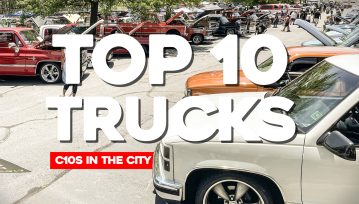
Events
C10s in the City is a classic GM/Chevy truck show that takes place in the heart of downtown Atlanta. The show is open to all… Continue reading
Chris Hamilton . June 04, 2023
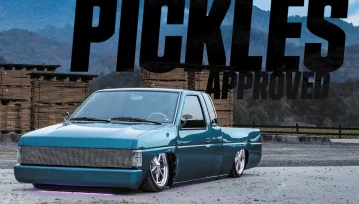
Drive Online
The Remix When you see a super clean, body dropped truck rolling down the road or sitting at a show, your first thought might be,… Continue reading
BRANDON BURRELL . August 04, 2023
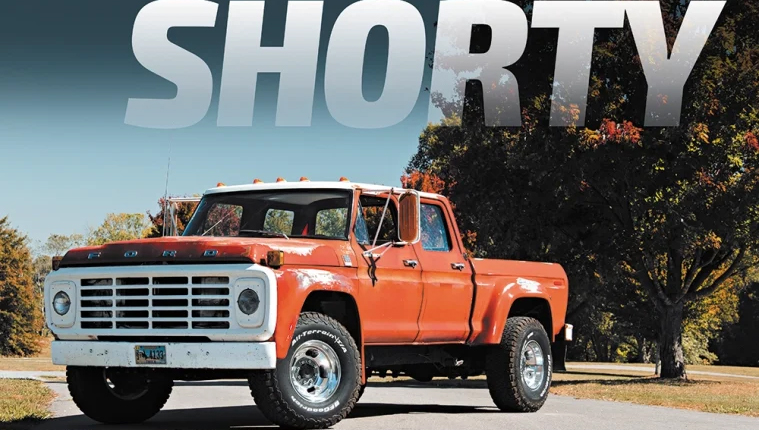
Chevrolet
Crafting a Masterpiece Through Time’s Challenge In the sprawling expanse of the Nevada desert where time carves as much history as it does the rugged… Continue reading
Hritik Godara . November 07, 2024
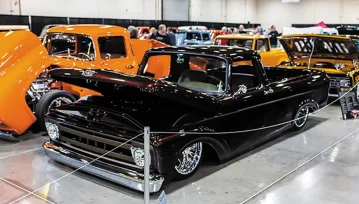
Buyer’s Guides
The ‘Grand Daddy of Them All’ Celebrates 50 Years of Truckin’ The Grand National Roadster Show’s tagline is “The Grand Daddy of Them All,” and… Continue reading
SOLOMON LUNGER . May 25, 2023
Diesel World
A High-End, High-Dollar 2019 Ford F-250 Project Quick question: How many guys do you know named Parker? Maybe you have met one or two before,… Continue reading
John Mata Jr. . July 31, 2023

Drag Racer
Text by Doug Dwyer It’s late; it’s Lions Drag Strip. It’s Saturday night in the years before television informed us that our innocence haddied. Because… Continue reading
Amit Kumar . July 05, 2026

The Sparks Show
Sevierville, TN
Goodguys 36th Autumn Get-Together
Alameda County Fairgrounds 4501 Pleasanton Avenue, Pleasanton, CA 94566
Goodguys 29th Speedway Motors Southwest Nationals
WestWorld of Scottsdale 16601 North Pima Road, Scottsdale, AZ 85260



 Please wait...
Share Link